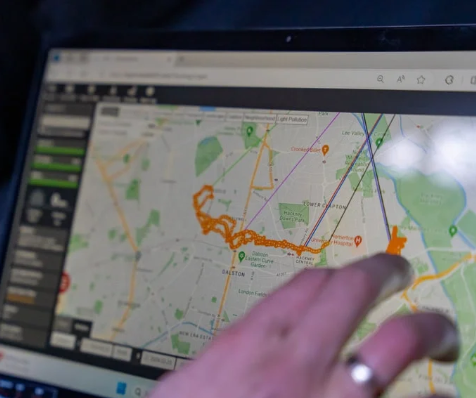

Handing thousands of leaflets to a distributor for circulating to the houses of residents often means trusting that the work gets done without ever seeing it happen. When responses come in slower than expected, there is no easy way to tell whether the message failed or the leaflets never arrived at the residents doorstep. A GPS tracked leaflet distribution service removes much of that uncertainty from the start.
Visibility changes how you judge a campaign. Instead of guessing, you can see where distributors walked, when each street was covered and which areas were completed. A GPS tracked leaflet distribution service gives you that record, so every pound spent on printing and delivery can be checked against real activity before you plan the next drop.
The Cost of Running a Campaign Without Proof
Untracked Rounds Leave Results Hard to Read: Without tracking, a business cannot separate a weak offer from an incomplete delivery, so poor results often lead to the wrong fix. Owners may redesign a perfectly good leaflet or abandon a profitable area. In everyday distribution work, teams regularly meet businesses that switched suppliers several times before realising nobody had ever shown them proof of delivery.
Delaying Better Oversight Repeats the Same Gaps: Putting off tracked delivery means each new campaign starts with the same blind spot as the last. Without a reliable audit trail, there is nothing to compare from one drop to the next, and patterns in response stay hidden. The longer that continues, the more budget goes into areas whose real performance remains unknown.
See also: How AI-Based Translation Tools Improve Communication
Recorded Routes and Maps That Show the Work
Timestamps and Routes Confirm Coverage: GPS tracking records the path each distributor walks, along with timestamps showing when they entered and left each street. That data turns a vague promise into a clear account of activity. You can see whether a road was fully covered, how long a round took and whether the pace looks consistent with genuine letterbox delivery.
Post-Campaign Maps Make Reviewing Simple: Once a campaign finishes, a post-campaign map lays the recorded routes over your chosen area so gaps or overlaps stand out quickly. Many businesses keep these maps beside their enquiry records to see which streets responded best. Over time, that comparison helps you refine targeting and drop areas that never seem to bring in customers.
Supervised Teams and Clear Instructions Keep Campaigns Organised
Tracking Works Best Alongside Good Supervision: GPS data shows where distributors went, but supervision and clear delivery instructions shape how well the work is done. Supervisors check routes, handle queries about blocked entrances and make sure leaflets go fully through letterboxes. A written service level agreement sets out these expectations, so both sides know the standard before the first leaflet leaves the depot.
Clear Briefs Prevent Common Delivery Errors: A detailed brief listing streets, exclusions such as no-junk-mail properties and the agreed delivery window helps teams stay organised across large areas. Long-serving distributors who know London’s streets tend to follow these instructions closely. The result is fewer missed roads, fewer complaints from residents and a campaign that reflects the area you actually paid to reach.
Back Checks Versus Tracking Alone
Back Checks Add Doorstep Confirmation: Optional back checks involve visiting a sample of addresses after delivery to confirm that leaflets arrived. This adds a human layer of verification on top of GPS data, which suits businesses running high-value offers or testing a new supplier. The trade-off is extra time and a small added cost, so not every campaign needs them.
Choosing the Right Level of Verification: A GPS tracked leaflet distribution service on its own suits most routine campaigns, giving clear evidence at a sensible cost. Adding back checks makes sense when stakes are higher or when previous suppliers let you down. Untracked delivery remains the cheapest option, but it offers no way to check whether your budget actually reached the doors.
What to Ask for When Booking Tracked Delivery
Questions That Protect Your Budget: A few clear requests at the booking stage help you get full value from tracked delivery. A GPS tracked leaflet distribution service works best when reports, maps and verification options are agreed in writing beforehand, so you know exactly what evidence you will receive once the campaign is complete and can review it straight away.
- Ask for a tracker report covering every round, not just a sample.
- Request a post-campaign map showing routes over your chosen streets.
- Confirm how timestamps are recorded and how soon reports arrive.
- Check whether back checks can be added for higher-value campaigns.
- Share any no-go streets or restricted buildings before delivery starts.
Seeing Every Street Your Campaign Reaches
Tracked routes, timestamps and maps give you a clear picture of where your leaflets went and how the work was carried out. A family-run team that offers tracker reports on every plan, with back checks on request, can prepare a quote around your target area and campaign needs. A GPS tracked leaflet distribution service turns each drop into evidence you can use.
Running another campaign without proof means another round of guessing about what worked. Clear reports from the next drop give you a firmer base for every decision that follows. Get in touch with the team today for free advice and a quote based on your target area and campaign requirements, including tracking.